Despotiko
An Uninhabited Island, an Ancient Sanctuary, and the Bluest Waters in the Aegean
"There are places in the Aegean that belong to no one - and, for that reason, to everyone. Despotiko is one of them: a beige dot among deep blue, where marble columns and wild beaches exist in perfect, undisturbed harmony."
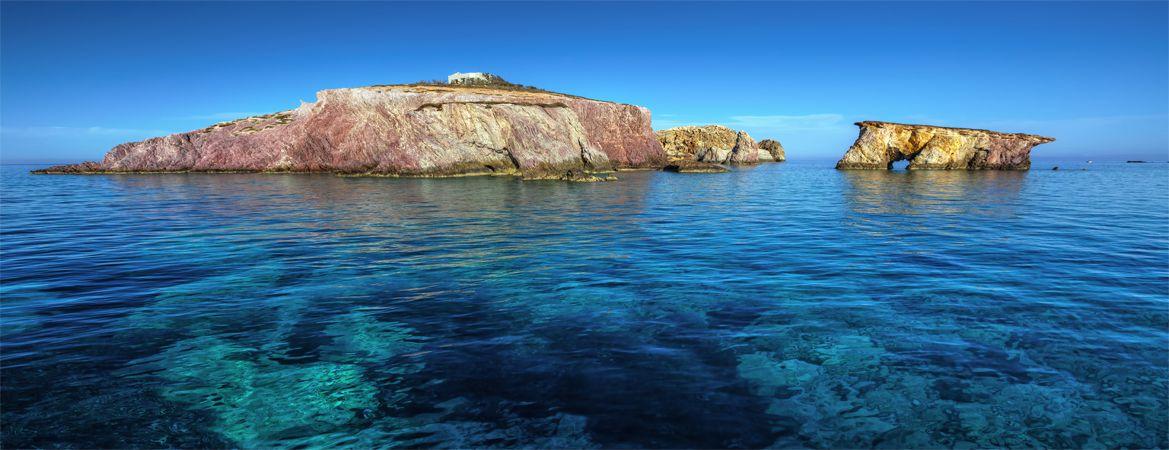
Just off the southern tip of Antiparos, itself one of the Cyclades' most beloved islands, lies a place that few have heard of ands fewer still have visited. Despotiko is uninhabited, reachable only by sea, and utterly untouched. No hotels, no roads, no infrastructure of any kind. Only vast sandy beaches, crystalline waters of exceptional depth, and at the island's heart, one of the most remarkable archaeological discoveries in the modern Greek Aegean.
The Sanctuary of Apollo: A Story in Marble
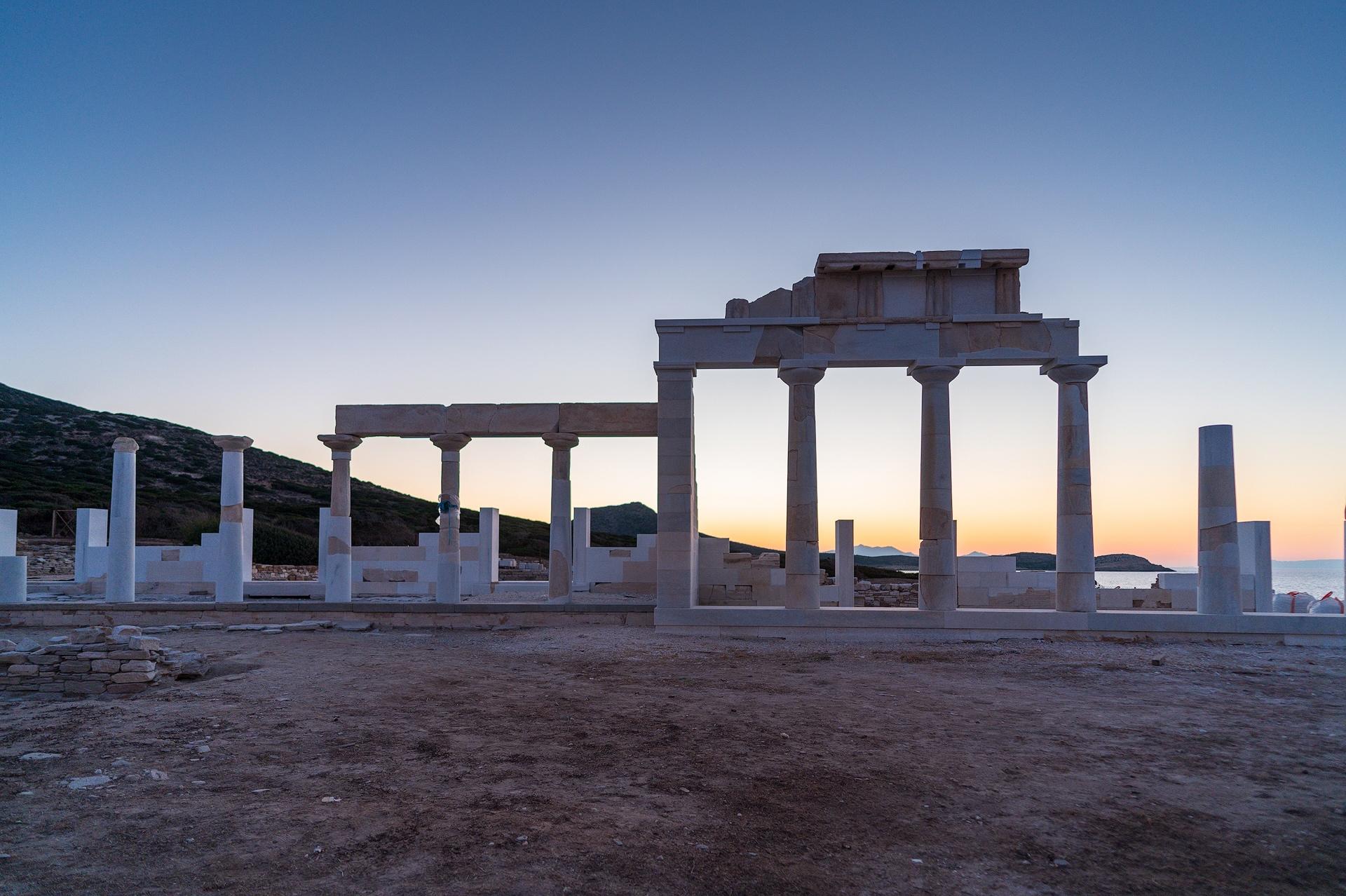
In ancient times, this island was known as Prepesinthos. Here, the inhabitants of Paros chose to establish a great sanctuary, a decision driven as much by politics as by piety. Seeking to assert their sovereignty across the Aegean and outmanoeuvre their rivals on Naxos, they built a sacred complex dedicated primarily to Apollo, though his sister Artemis and the goddess Estia were also revered within its precincts.
The centrepiece was a temple of considerable ambition. Its façade bore seven marble columns standing nearly four metres high rising, together with the pediment, to over six metres. The marble itself was quarried on Paros, whose stone was celebrated across the ancient world for its luminous, fine-grained quality, and was sought by the greatest sanctuaries of Greece. Around the temple, auxiliary buildings served the priests and the pilgrims who made the crossing to worship here.
The island's history was not without turbulence. The archaeological record preserves traces of Miltiades's campaign against Despotiko, and of the fury of pirates who burned the sanctuary. Yet its stones endured, and in recent decades, excavations have brought them gradually back into the light. With the completion of the first phase of restoration, Despotiko is now being prepared to open as an archaeological park, modelled on the sacred island of Delos, where visitors can move freely among the ruins in their natural setting, the Aegean wind the only sound around them.
The Beaches: Wild, Vast, and Entirely Your Own
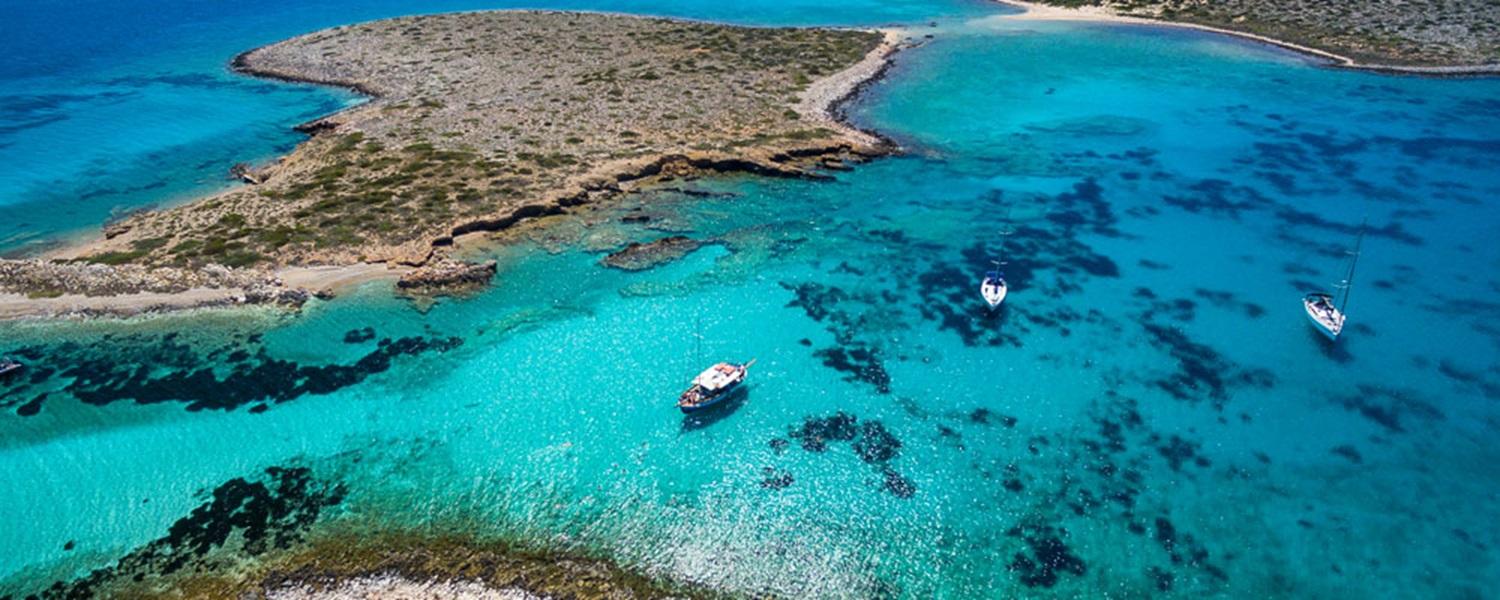
Beyond its archaeological significance, Despotiko is blessed with some of the most extraordinary beaches in the Cyclades, sweeping expanses of sand backed by rock, washed by waters that shift from pale turquoise at the shore to the deepest blue further out. No sunbeds, no service, no crowds. The island's very inaccessibility is its greatest luxury.
One of the island's most quietly remarkable details: the narrow channel that separates Despotiko from Antiparos reaches barely one metre in depth, a startling intimacy between two islands otherwise surrounded by profound Aegean waters. Between them, the tiny islet of Koimitiri rests in the passage, as if placed there deliberately to complete the scene.
A Day to Remember, from Your Paros Villa
Despotiko is one of those rare destinations that rewards the effort of reaching it tenfold. From your Aqualiving villa in Paros, a private boat excursion to Despotiko and Antiparos makes for an unforgettable day: archaeology, swimming, and solitude in equal measure. Your concierge will arrange everything.